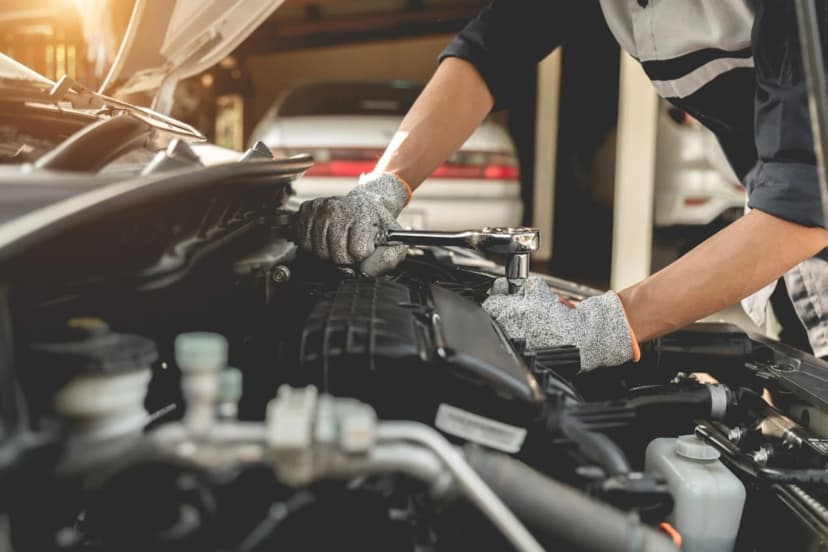
The exhaust system of a car plays an important role and is more than simply to quieten your engine. Its function is to divert dangerous gases away from the compartments, decrease emissions, and ensure proper engine performance. Most people who operate different vehicles always have concerns or interests regarding engines, tires, or brakes, but ignore the exhaust system, which is a key aspect of vehicle performance. Whenever there is a problem related to exhaust systems, you get to hear annoying noises.
We'll discuss common exhaust system problems in this post so you can recognize early warning indicators and learn about exhaust. Early problem detection can save you money and stop future, more significant damage.
What is the purpose of the Exhaust System in a Car?
The exhaust system in your vehicle serves a specific purpose in the process of channelling exhaust gases from your engine to the outside air, whilst reducing noise and harmful emissions. So let’s understand what makes up your exhaust system. There is are network of pipes and components that includes the manifold, converter, sensors, muffler, resonator, and tailpipe. Each pipe serves its own function and helps control emissions to meet UK environmental standards.
Why is it important to have an exhaust system?
The main reasons why every car has an exhaust system:
- Improve engine performance: It allows the vehicle to efficiently release the build-up gases to let the engine perform better and also improve its fuel efficiency.
- Noise Reduction: When your car makes too much noise in the exhaust, it means it's time for a quick check-up for a faulty exhaust system and to minimize noise pollution.
- Emission control: To control black smoke from your vehicle, keep the exhaust system healthy through servicing on time.
How can you detect a Faulty Exhaust System in a Car?
Driving your vehicle and you just noticed odd noises like rattling or hissing, also your car's fuel efficiency is decreasing, then you should be worried it is directly related to your car's exhaust system. Ignoring this will cost you as well as it could be a sign of poor exhaust performance. It will cause the engine to run less efficiently or also sometimes run strange fume smell, so if something goes wrong with your vehicle, you can contact All Car Service because they are specialist in their work and will take care of your car’s health.
Let's briefly understand in detail the different types of Exhaust systems:
Exhaust Leaks
A leak in the exhaust system should be addressed immediately because of its affinity to leak gases through cracks, holes, or joints before reaching its final destination in the rear of the car. There are several reasons responsible for leaks in the exhaust system, like:
- Damage from rust
- Damage from speeding through speed bumps or faulty clamps.
If you notice any leaks from your exhaust, make sure to follow up with experts to avoid bringing hazardous gases like carbon monoxide into your car.
Rust in Exhaust
The weather in the UK is prone to corrosion and rust due to frequent rain, snow, and salty roads, that why taking care of the exhaust system is more essential. Most of the exhaust components are made from metal, but rust is almost inevitable over time. The easiest way to prevent rust and corrosion regular inspections or underbody inspections that help identify corrosion early before complete failure.
Broken pipe or Faulty sensors
Using today's technology, exhaust gases use oxygen sensors to detect oxygen levels in exhaust gases. This enables the engine control unit to adjust the air/fuel mixture accordingly. Poor fuel efficiency is the first indication of a faulty exhaust gas system. Other symptoms include poor engine performance, resulting in poor acceleration and exhaust gas with black smoke.
Problems in Catalytic Converter
Talking about the Catalytic converter, this is the costliest part of your exhaust system, which is essential for reducing harmful pollutants by transforming nitrogen gases into less toxic compounds. But when it breaks down, it has nothing to do with the environment but rather legal matters. If your car has been slowing down when you accelerate, your engine has been running hotter than it should, accompanied by an audible rattling sound coming from beneath your car, and your car’s engine light has been on your dashboard.
Broken or worn exhaust mounts
The components that secure your exhaust system to the vehicle’s underside, preventing excessive movement and vibration it support the exhaust system and keep it securely positioned under the vehicle. If you ignore this issue broken hanger can allow the exhaust to make contact with other vehicle components, potentially causing damage to fuel lines, brake pipes, or the undercarriage itself.
Some of the common smoke from exhaust includes:
- White Smoke: This is normal in winters, but if you notice black and white smoke, then this combination means that coolant is burning in the combustion chamber, head gas is cracked or damaged.
- Black Smoke: It means excessive burning of fuel or wasting gas, which will cost you money, caused by a fuel injector or a clogged air filter.
- Blue Smoke: This is the indication of oil burning in the combustion chamber caused by valve seals, valve guides, piston rings, or the PCV system.
How can you Maintain Your Exhaust System?
Here are a few tips you should follow to maintain the exhaust system-
Regular checkups
The Exhaust system should be inspected by professionals at least once a year, and if your technician notices any sign of corrosion or leaks, make sure to solve them as soon as possible before they worsen.
Clean your car
- During winter, make sure to wash your vehicle regularly, which can help prevent corrosion caused by road salt.
- Never ignore warning lights on the engine, and if you notice any signs, visit All Car Service for a diagnostic check.
Conclusion
There are many things you should think about regarding your exhaust system, but they are not considered by many other motorists. It is essential for the safety and efficiency of your vehicle that you consider things such as legal emission levels, optimal fuel efficiency, and, more importantly, the safety of yourself and other passengers by ensuring dangerous gases are appropriately diverted from you. By being more informed about typical problems such as rust, leaks, catalytic converters, and sensors, you will be more likely to pick up problems sooner. It should be noted, however, that whenever an unusual sound, degradation, visible damage, or warning lights are detected, a possible assessment by a technician is required.
FAQs about Common Exhaust System Issues You Should Know About
I am noticing a hissing or chugging sound in the exhaust. Is this a sign of an exhaust system issue?
Hissing noises typically indicate a crack in the exhaust manifold, and chugging noises coming from your exhaust mean a blockage in the exhaust system.
Is there any solution for reducing exhaust system noise?
The best way to reduce exhaust system noise is by following a regular maintenance routine.
What type of exhaust is used in cars normally?
A single exhaust pipe is commonly used in cars for their exhaust systems.
Are dashboard warning lights a sign of exhaust failure?
Dashboard engine lights are an early detection of exhaust issues, so always keep in mind that if there are any signs on your dashboard, do a proper checkup with a professional mechanic.
Why is my car emitting a lot of black smoke?
If your car is emitting black smoke, it means excessive fuel burning, and if you ignore it, it will cost you a lot of money. The reason may be a fuel injector or a clogged air filter.