Making preparations for your car journey for a long road trip is one of the best decisions to make. You need a well prepared car that not only enhances your safety on the road but also gives you confidence throughout your journey. In case you are planning a peaceful weekend escape or going for a long adventure that needs preparation, this guide will help you avoid not so important things to consider. Moreover, you will learn to avoid expensive repairs and make sure that you have a comfortable and relaxed car journey.
Conduct a Full Vehicle Check
Before you head out, take a good look at your vehicle. If you’re not sure what to check for, consider taking your car in for a pre trip check at a professional service such as All Car Service.
Check Engine Oil Levels
Your engine oil is what keeps your engine’s internal components well-lubricated and running in top condition. Check your engine oil levels by following these steps:
- Pull out the dipstick, wipe it clean with a cloth, and then put it back in.
- Check the level by pulling out the dipstick again.
- If your engine oil is dark or low then it’s time for a change.
- For older model cars consider a full engine oil change before embarking on a long journey.
Check All Fluid Levels
Fluid is the lifeblood of your car which make sure that all fluid levels are where they should need to be by checking the following:
- Coolant/antifreeze is at the right level because a car that’s always overheating is a car that’s always breaking down.
- Brake fluid is full and clean. If it’s dirty then it could damage your car’s braking system.
- Power steering fluid is at the right level. low level cause your car’s steering will be much harder to handle.
- Windshield washer fluid is full. You’ll need this to clean your windshield while you’re driving.
Check Belts and Hoses
Belts and hoses are two of the most important parts of your car. Check them out by looking for the following:
- Belts that are cracked, frayed, or glazed.
- Hoses that are soft, bulging, or leaking.
If you notice any of these things then replacing before departure is important.
Inspecting Your Tyres
Your tyres are the contact points between your car and the road. That's why they need to be checked regularly:
Tyre Pressure
Proper tyre pressure means better fuel economy and better handling:
- Use a tyre pressure gauge
- Check the recommended PSI in your car's manual
- Do not forget to check the spare tyre
Tyre Tread Depth
A worn-out tyre tread can be hazardous, and especially when it’s wet:
- The minimum tread depth allowed by UK law is 1.6mm across the central three-quarters of the tread on the tyre
- For a long journey a tread depth of 2-3mm or more is recommended
- Use a tread depth gauge or a 20p coin to check the tread depth
Condition and Alignment
Check for:
- Cuts, bulges, or uneven wear in your car
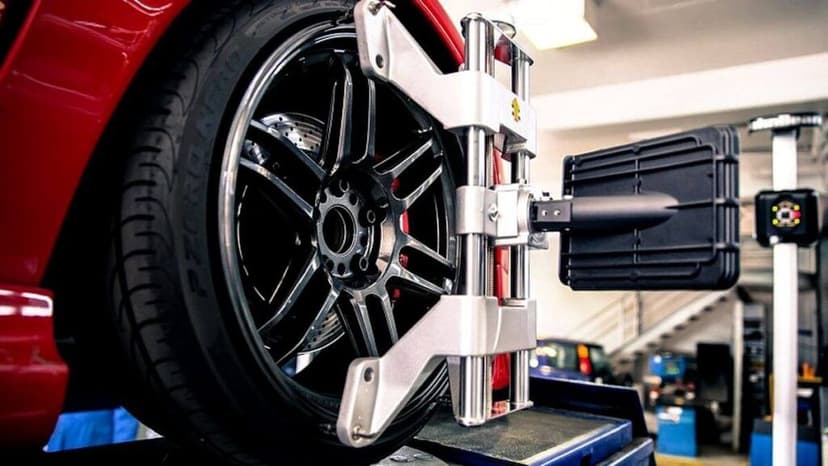
- If your tyres are wearing unevenly then it may be time to get a wheel alignment. This will make your car handle better and your tyres last longer.
Check Your Brakes and Suspension
Your brakes are a big concern when it comes to safety, particularly on long road trips that involve highway driving.
Brake pads and rotors
It is better to get your brakes investigated when you hear any vibration or noise when you hit the brakes.
Suspension
It might happen that your suspension gets worn out. This might impact the way you handle your car.
Get it checked before a long drive.
Test Battery and Electrical Systems
A bad battery or electrical system can quickly ruin a road trip. So its better make sure these works properly:
Battery Health
Batteries usually have a three to five year lifespan. So, looking for corrosion and checking the voltage make your journey safe. If there is signs then bad battery needs to be replaced.
Lights & Signals
Make sure these all in working order:
- Headlights
- Brake lights
- Turn signals
- Hazard lights
Replace any burned-out bulbs and ensure your dashboard warning lights are all turned off.
Top Up All Essential Fluids
Fluids are what keep your car running in top condition and cool along with safe. So, it important to check these:
- Coolant, because it prevents your engine from overheating
- Transmission fluid, helps provide smooth gear shifts
- Brake & Power Steering fluids, which is critical for stopping power and easy steering
- Washer Fluid, which is essential for visibility during long driving hours
If your fluid levels are low or look dirty then have them topped up or changed before you leave.
Emergency Kit and Roadside Essentials
Even if your car is thoroughly ready for the road, emergencies can still occur. Being prepared is therefore half the battle won. It better to assemble an emergency kit that includes:
- Spare tire and repair kit
- Jack and lug wrench
- Jumper cables or a jump starter
- First aid kit
- Flashlight with spare batteries
- Basic toolkit
- Water and food along with blankets
Because these are things that can save you a lot of time and hassle if you experience any minor issues on the road.
Clean and Organize Your Car
A comfortable and organized car will improve your travel experience and checking these can ensures your safety:
- Cabin Filter, which ensure your cabin filter is clean to provide fresh air circulation
- Interior Space, Which helps to organize your luggage and keep loose items tied down in accessible places
- Exterior Clean, this helps in clean windshield and lighting system which improve road visibility and safety
Plan Your Route and Stops
Preparation is not only mechanical, it's a simple plan. Scheduling a journey will help reduce stress and fatigue. Here's an important thing to remember:
- Know Your Route, which basically means use GPS or map your route
- Rest Stops, plan your rest stops every 2 to 3 hours to avoid driver fatigue and staying refreshed
It is important to take time to rest to avoid mistakes and keep the journey enjoyable.
Final Thought
A long road trip should be enjoyable and safe along with being memorable. Prepare your car thoroughly to maximize safety and improve comfort for all passengers. Following the upper checklist ensure your vehicle and mindset are ready for the journey ahead.
FAQs about How to Prepare Your Car for a Long Road Trip
1. How far in advance should I service my car before a long road trip?
Service your car fully 2 to 4 weeks before a long trip to sort out problems and check adjustments again.
2. What’s the most common cause of breakdowns on long journeys?
Tyre troubles (blow-outs and wear) and battery failure. So, regular checks are needed to prevent these problems.
3. Do I need special insurance for a long road trip outside the UK?
Yes, when traveling to Europe check that your policy covers the continent and obtain a Green Card if necessary.
4. Should I top up all fluids myself, or have a mechanic do it?
If you are competent to carry out basic checks (oil and coolant along with screen wash) then you can top up yourself. Get a mechanic to sort out brake fluid, belt, or coolant system jobs.
5. What should I keep in my emergency car kit?
- First aid kit
- Torch with spare batteries
- Warning triangle and high visibility jacket
- Jumper leads and basic toolkit
- Spare tyre and spare tyre kit
- Bottled water and non perishable food